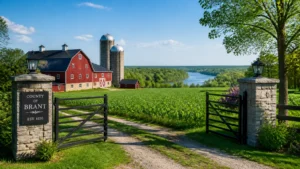
I took a drive out past Burford the other evening, just as the sun was dipping below the horizon. If you haven’t done that lately, you really should. There is a quiet beauty in our county that is hard to put into words, the way the light hits the lush farmland, the long shadows stretching across the soy and corn fields, and those grand, stunning historic architecture farmhouses that have stood as sentinels of our history for over a century.
But as I drove, I couldn’t help but think about the conversations happening right now in our Council chambers. We are standing at a crossroads, and the decisions being made today will dictate whether that landscape remains the heart of our region or becomes a fragmented memory.
Specifically, I’m talking about the recent debate that took place on May 12, 2026, and continued through the week of May 21st. It’s a topic that sounds a bit dry at first, "Surplus Farm Dwelling Severances" and "A-9 Zoning", but it’s a classic kitchen-table conversation for anyone who cares about the future of the County of Brant.
The "Surplus House" Dilemma
So, what exactly are we talking about? In simple terms, a surplus dwelling severance occurs when a farmer buys a second (or third) farm to consolidate their operations. They want the land for crops, but they don't necessarily need the extra house that comes with it. Under current provincial and local policies, they can apply to "sever" that house from the farmland, creating a small residential lot.
On the surface, it sounds like a win-win. The farmer gets to pay down some debt by selling the house, and a new family gets to move into a beautiful rural home. But as with everything in municipal planning, the devil is in the details.

What is the A-9 Zoning "Lock"?
When a house is severed from a farm, the County usually applies something called A-9 Zoning to the remaining farmland. This is a special "site-specific" agricultural zone.
The goal of A-9 is simple: to prevent a "new" house from ever being built on that farm parcel again.
Why do we do this? Because if every time a house was severed, a new one was built to replace it, our farmland would slowly but surely turn into a patchwork of houses. This is what planners call fragmentation. It’s the slow erosion of our agricultural "heart."
Inside the Council Chambers: The May 12th Debate
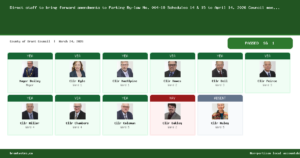
I spent some time looking into the minutes from the May 12, 2026 meeting. It was a packed house, and you could feel the tension in the air. This wasn't just about one property; it was a debate about our identity as a rural community.

The debate centered on a proposed amendment to our agricultural policy. Some argued that we need more flexibility, that the rules around how these lots are shaped (like those tricky "flag-shaped" lots) are too rigid. Others, however, stood firm on the side of protection.
The Two Sides of the Fence
To keep things fair, here is a breakdown of the two perspectives that dominated the floor:
- The Flexibility Argument: Proponents argue that farmers are the backbone of our economy and need fiscal responsibility options. By allowing more flexible severances, farmers can consolidate land more easily, making their operations more efficient. They argue that one small house in the corner of a 100-acre field doesn't stop a tractor from running.
- The Protectionist Argument: Opponents of the amendment, including many long-time residents and environmental advocates, point to the cumulative effect. They argue that every severance is a "death by a thousand cuts." More houses mean more traffic on narrow rural roads, more complaints about noise and dust from farming operations, and a permanent loss of food-producing soil.
During the meeting, the proposed amendment to loosen these restrictions was defeated. However, the issue isn't dead. Council has directed staff to keep studying the cumulative impacts, meaning this conversation is far from over.
Why This Matters for Your Wallet and Your View
You might be thinking, "I don't own a farm, why should I care?" But the truth is, this affects all of us.
- Infrastructure Costs: Every new residential lot in the middle of the country requires services. While they might have their own well and septic, the County still has to maintain the roads, provide emergency services, and manage school bus routes. Infrastructure costs in rural areas are significantly higher per household than in town.
- The "Right to Farm": We’ve all heard the stories of folks moving to the country for the "quiet beauty" and then complaining when a farmer starts spreading manure or harvesting at 2 AM. The more houses we put in agricultural zones, the harder it becomes for our farmers to do their jobs.
- Community Identity: We take pride in being "Simply Grand." That brand is built on our heritage and our landscape. If we lose the integrity of our farmland, we lose what makes Brant, well, Brant.

Looking Ahead: The Countdown is On! 🗳️
With the municipal elections and by-elections always on the horizon, these are the types of "Civic Duty" questions we need to be asking our candidates.
- Where do they stand on A-9 zoning?
- Do they favor "Localism" and protecting every inch of our soil, or do they believe in more "fiscal flexibility" for landowners?
We need to decide what we want our county to look like in 20, 30, or 50 years. Are we okay with our rural concessions slowly turning into suburban streets, or do we want to keep the "heart" of our region beating strong?

Join the Conversation
At BrantVotes, our mission is to make sure you have the facts before you head to the ballot box. Whether it’s a Ward 5 by-election or a general Council meeting, every decision matters.
The study on surplus dwellings is ongoing. There will be more public meetings and more opportunities to have your say. We’ll be right there in the chambers, taking notes and keeping you posted.
What do you think? Should it be easier for farmers to sever surplus houses, or should we be doing everything possible to stop the fragmentation of our fields? Do you have other concerns about rural planning in your neck of the woods?
Drop your thoughts below or send us a message! We want to hear from the people who live, work, and farm right here in the County of Brant.
Stay tuned to our News section for the latest updates on this and other local issues.
– Penny
Community Insider, BrantVotes
<BLOG_POST:surplus-farm-dwellings-2026>